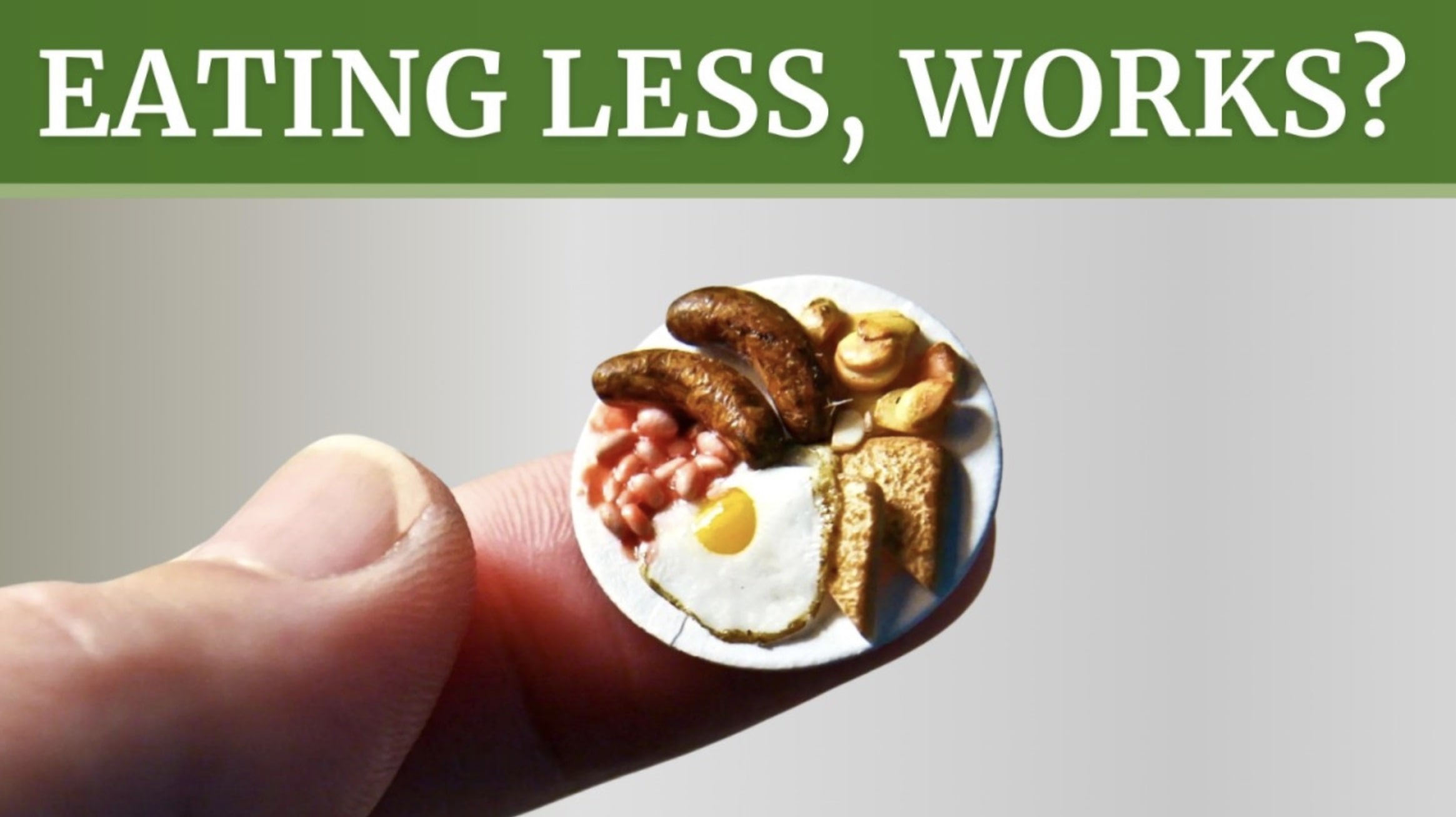
Why Weight Loss Is Not Just About Eating Less
For years, weight loss has been simplified to one idea:
“Eat less, and you’ll lose weight.”
While calorie intake does matter, this belief is incomplete—and often harmful. Many people eat less, skip meals, or follow extreme diets, yet still struggle with weight loss. Why? Weight management is far more complex than just reducing food intake.
Let’s understand what truly affects weight loss.
1. Your Metabolism Plays a Bigger Role Than You Think
Your body needs energy to function—breathing, digestion, hormone regulation, and even sleeping burn calories. When you drastically cut food:
- Your metabolism slows down
- The body enters “survival mode”
- Fat loss becomes harder
Instead of burning fat, the body tries to conserve energy, making weight loss stall or rebound later.
2. Eating Less Can Lead to Nutrient Deficiency
Weight loss is not just about quantity, but the quality of food.
When you eat too little:
- You may lack protein, fiber, vitamins, and minerals
- Muscle loss can occur
- Energy levels drop
Loss of muscle further slows metabolism, making long-term weight management difficult.
3. Hormones Control Hunger and Fat Storage
Hormones like insulin, cortisol, leptin, and ghrelin directly influence:
- Hunger signals
- Fat storage
- Cravings
High stress, poor sleep, irregular meals, or excessive sugar intake can disrupt hormonal balance, leading to fat gain—even if you’re eating less.
4. Skipping Meals Often Leads to Overeating Later
When you starve yourself:
- Blood sugar drops
- Cravings increase
- You’re more likely to binge on unhealthy foods
This cycle of restriction and overeating can slow progress and damage your relationship with food.
5. Protein and Fiber Matter More Than Cutting Calories
Instead of eating less, focus on eating right.
- Protein helps control hunger and preserves muscle
- Fiber improves digestion and keeps you full longer
A balanced plate supports fat loss naturally—without extreme restrictions.
6. Lifestyle Factors Matter Just as Much
Weight loss is influenced by:
- Sleep quality
- Stress levels
- Physical activity
- Daily routine
Ignoring these factors while only cutting food often leads to frustration and burnout.
The Right Approach to Weight Loss
Sustainable weight loss is about:
✔ Balanced meals
✔ Adequate protein and fiber
✔ Consistent eating patterns
✔ Healthy metabolism
✔ Lifestyle balance
Not starvation. Not guilt. Not extreme dieting.
Final Thought
Weight loss is not a punishment—it’s a process of nourishing your body correctly.
Instead of asking, “How much less should I eat?”
Ask, “How can I fuel my body better?”
That’s where real, lasting results begin.
Struggling to lose weight despite eating less?
The right guidance can make all the difference.
Get personalised nutrition and lifestyle guidance from Dietitian Vinita Jaiswal and take a step toward better sleep, balanced health, and a healthier you. No crash diets—just sustainable habits designed for your body and lifestyle.
📧 Contact: [email protected]
🌐 Website: www.aahaarexpert.com
Because true weight loss begins with the right nourishment, not restriction.