The Gut-Brain Connection: How Digestion Affects Mood
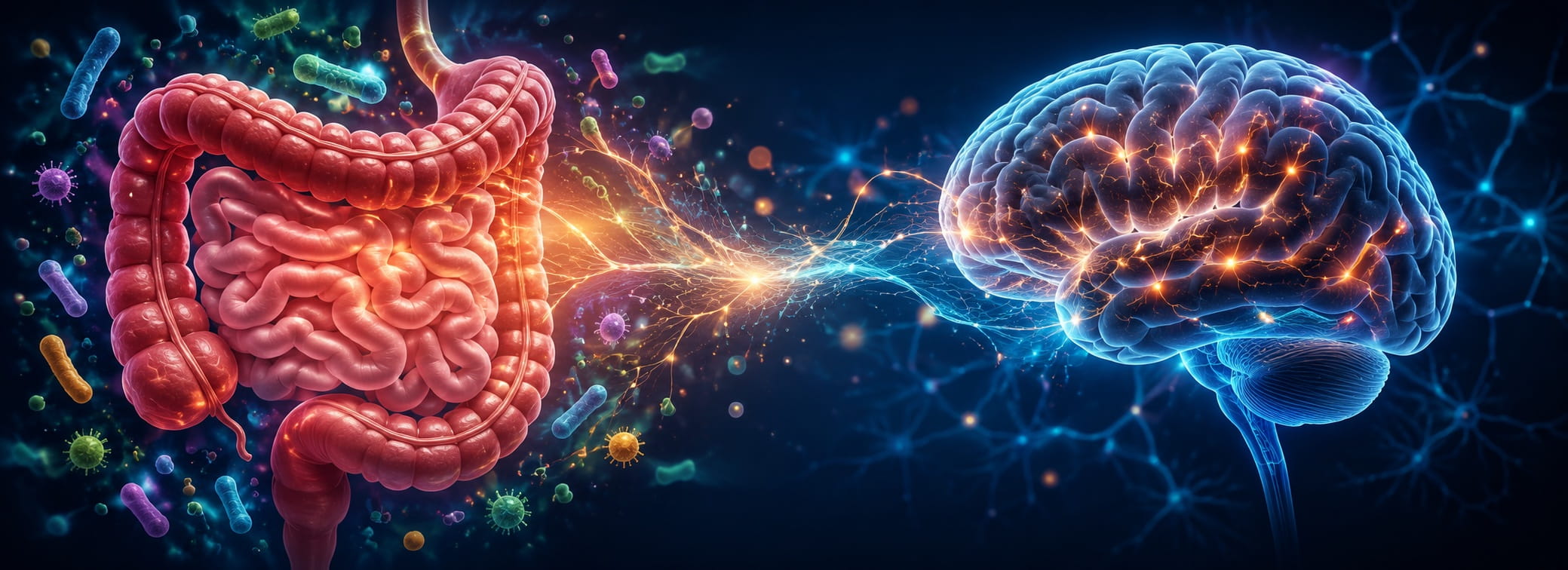
Have you ever experienced “butterflies” in your stomach before an important event? Or noticed digestive issues during stressful times? These experiences are not a coincidence. Your gut and brain are constantly communicating through a complex network known as the gut-brain connection.
In recent years, research has revealed that the health of your digestive system can significantly influence your mood, mental well-being, and even cognitive function. This is why the gut is often referred to as the body’s “second brain.”
Understanding this connection can help you make better dietary and lifestyle choices that support both digestive health and emotional wellness.
What Is the Gut-Brain Connection?
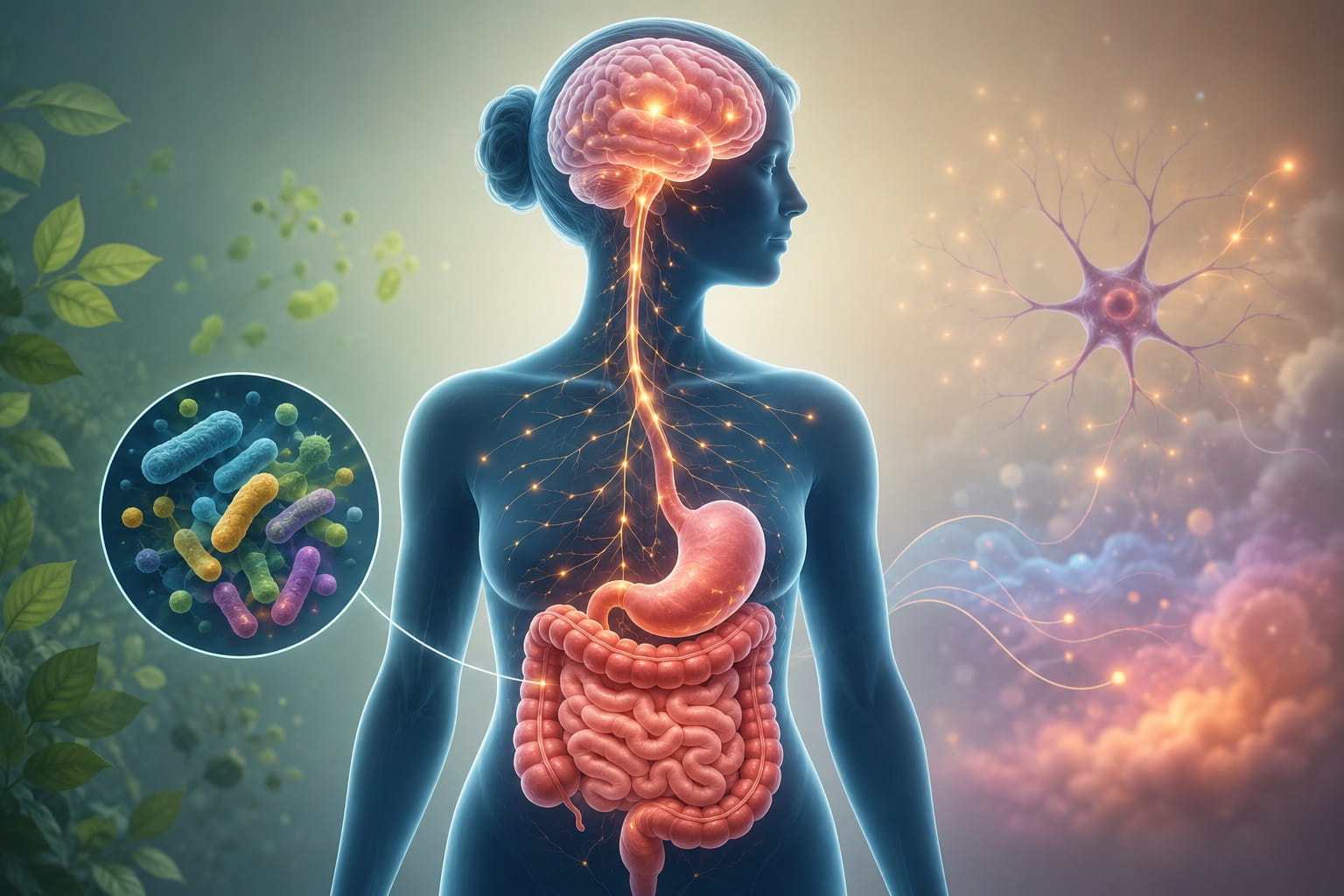
The gut-brain connection refers to the two-way communication system between your gastrointestinal tract and your brain.
This communication occurs through:
- The nervous system (especially the vagus nerve)
- Hormones
- The immune system
- Gut bacteria (microbiome)
Your brain can influence how your gut functions, and your gut can send signals that affect how you think and feel.
Meet Your Gut Microbiome
Your digestive tract is home to trillions of microorganisms, including bacteria, fungi, and other microbes. Together, they form the gut microbiome.
A healthy and diverse microbiome helps:
- Digest food efficiently
- Produce essential nutrients
- Support immunity
- Reduce inflammation
- Influence mood and mental health
When the balance of beneficial bacteria is disrupted, it may affect both digestive and emotional well-being.
How Gut Health Affects Mood
1. The Gut Produces Mood-Regulating Chemicals
Did you know that a large percentage of the body’s serotonin—a neurotransmitter associated with happiness and emotional stability—is produced in the gut?
When gut health is compromised, the production and regulation of these important chemicals may be affected.
2. Poor Digestion Can Increase Stress and Anxiety
Digestive symptoms such as bloating, constipation, indigestion, and stomach discomfort can contribute to stress and emotional distress.
At the same time, stress itself can worsen digestive symptoms, creating a cycle that’s difficult to break.
3. Gut Inflammation May Impact Mental Well-Being
An unhealthy diet, chronic stress, poor sleep, and digestive imbalances may contribute to inflammation in the body.
Emerging research suggests that chronic inflammation may play a role in mood disorders, fatigue, and reduced mental clarity.
4. Healthy Gut Bacteria Support Brain Function
Beneficial gut bacteria help produce compounds that support brain health and communication between the gut and nervous system.
A balanced microbiome may contribute to improved mood, focus, and emotional resilience.
Signs Your Gut Health May Need Attention
You may want to focus on improving gut health if you frequently experience:
- Bloating
- Constipation
- Diarrhea
- Gas
- Indigestion
- Food intolerances
- Low energy levels
- Frequent mood swings
- Difficulty concentrating
Foods That Support Gut Health
Fiber-Rich Foods
Fiber helps nourish beneficial gut bacteria and promotes healthy digestion.
Good sources include:
- Fruits
- Vegetables
- Whole grains
- Oats
- Legumes
- Seeds
Fermented Foods
These foods naturally contain beneficial bacteria that support gut health.
Examples include:
- Curd
- Buttermilk
- Yogurt
- Fermented vegetables
Prebiotic Foods
Prebiotics act as food for healthy gut bacteria.
Sources include:
- Garlic
- Onion
- Banana
- Oats
- Asparagus
Healthy Fats
Healthy fats help reduce inflammation and support overall health.
Sources include:
- Nuts
- Seeds
- Flaxseeds
- Walnuts
- Fatty fish
Habits That Strengthen the Gut-Brain Connection
Manage Stress
Chronic stress can negatively impact digestion and gut bacteria. Meditation, yoga, and deep breathing exercises can help.
Prioritize Sleep
Poor sleep can disrupt gut health and increase inflammation. Aim for 7–9 hours of quality sleep each night.
Stay Physically Active
Regular exercise supports both digestive health and mental well-being.
Stay Hydrated
Adequate water intake helps maintain healthy digestion and supports overall body functions.
Foods and Habits to Limit
To protect gut health, try to reduce:
- Highly processed foods
- Excess sugar
- Frequent fast food consumption
- Excess alcohol
- Chronic stress
- Irregular eating habits
The Bottom Line
Your gut and brain are more connected than most people realize. A healthy digestive system doesn’t just support nutrient absorption—it also plays an important role in mood regulation, mental clarity, energy levels, and emotional well-being.
By nourishing your gut with a balanced diet, managing stress, staying active, and prioritizing sleep, you can support both your digestive health and your mental wellness.
Remember: A healthier gut can contribute to a healthier, happier mind.
Get Personalized Nutrition Guidance
If you’re struggling with bloating, digestive discomfort, low energy, mood swings, or other gut-related concerns, a personalized nutrition plan can help improve your digestive health and overall well-being.
📞 Get Started Today
📧 Contact: [email protected]
🌐 Website: www.aahaarexpert.com
📱 Follow Us On:
Instagram:
https://www.instagram.com/dietitian_vinita/
Facebook:
https://www.facebook.com/DietitianVinita
Book your consultation today and take the first step toward a healthier gut, better digestion, and improved overall wellness!