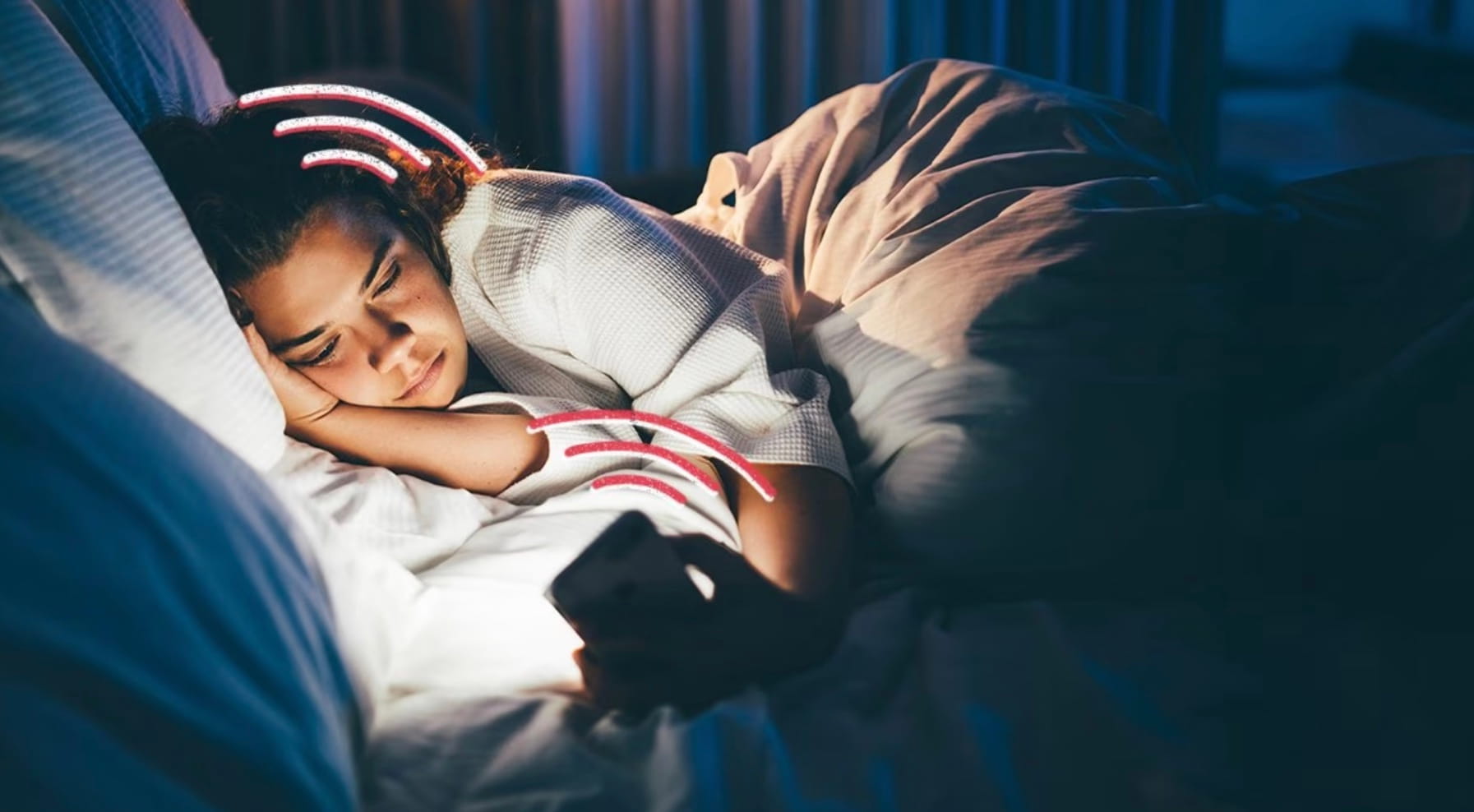
How Screen Time Is Ruining Your Sleep Cycle
In today’s digital world, screens have become an unavoidable part of our daily lives. Whether it’s scrolling through social media, watching videos, replying to emails, or binge-watching your favorite series, many of us spend hours staring at screens—often right before bedtime.
While technology has made life more convenient, excessive screen time can significantly disrupt your sleep cycle and negatively affect your overall health.
If you’ve been struggling with difficulty falling asleep, waking up tired, or feeling exhausted during the day, your screen habits may be playing a bigger role than you realize.
Understanding Your Sleep Cycle
Your body follows a natural internal clock known as the circadian rhythm. This biological clock regulates when you feel awake and when you feel sleepy.
As evening approaches, your brain produces a hormone called melatonin, which signals your body that it’s time to sleep. However, exposure to screens can interfere with this natural process.
How Screen Time Affects Sleep
1. Blue Light Suppresses Melatonin Production
Smartphones, tablets, laptops, televisions, and other digital devices emit blue light. This light tricks your brain into thinking it’s still daytime, reducing melatonin production and delaying sleep onset.
As a result, you may find yourself lying awake long after you’ve gone to bed.
2. Makes It Harder to Fall Asleep
Many people use their phones until the moment they try to sleep. Whether it’s watching reels, checking messages, or reading news updates, these activities keep the brain mentally stimulated.
An active mind takes longer to relax, making it more difficult to fall asleep quickly.
3. Reduces Sleep Quality
Even if you manage to fall asleep, excessive screen exposure can affect the quality of your sleep. Studies suggest that screen use before bed may reduce deep sleep and REM sleep, both of which are essential for physical recovery, memory, and mental well-being.
4. Encourages Late-Night Scrolling
We’ve all experienced the “just five more minutes” trap. What starts as a quick check of notifications often turns into an hour of scrolling.
This habit pushes bedtime later, reducing total sleep duration and creating a cycle of chronic sleep deprivation.
5. Increases Stress and Anxiety
Consuming work-related emails, social media updates, or emotionally charged content before bed can increase stress levels and make it harder for the mind to switch off.
Stress and anxiety are among the leading contributors to poor sleep.
Signs That Screen Time Is Affecting Your Sleep
You may be experiencing screen-related sleep disruption if you:
- Take longer than 30 minutes to fall asleep
- Feel tired despite spending enough time in bed
- Wake up frequently during the night
- Reach for your phone immediately before sleeping
- Experience daytime fatigue or difficulty concentrating
- Depend on caffeine to stay alert throughout the day
The Impact of Poor Sleep on Health
When poor sleep becomes a regular habit, it can affect much more than your energy levels.
Long-term sleep deprivation may contribute to:
- Weight gain
- Increased cravings for sugary foods
- Reduced immunity
- Mood swings and irritability
- Difficulty concentrating
- Poor productivity
- Increased risk of diabetes and heart disease
How to Reduce Screen-Related Sleep Problems
Establish a Digital Curfew
Stop using phones, tablets, and laptops at least 60–90 minutes before bedtime.
Keep Devices Out of the Bedroom
Avoid sleeping with your phone beside your pillow. Notifications and the temptation to check messages can interrupt sleep.
Use Night Mode Features
Most devices now offer blue light filters or night mode settings that reduce blue light exposure during evening hours.
Replace Screen Time with Relaxing Activities
Instead of scrolling, try:
- Reading a book
- Listening to calming music
- Practicing meditation
- Gentle stretching
- Journaling
Maintain a Consistent Sleep Schedule
Going to bed and waking up at the same time daily helps strengthen your body’s natural sleep-wake cycle.
The Bottom Line
Your diet, exercise routine, and overall health depend heavily on quality sleep. Unfortunately, excessive screen time—especially before bed—can disrupt your body’s natural sleep cycle and leave you feeling tired, stressed, and less productive.
By creating healthier screen habits and prioritizing sleep, you can improve your energy levels, mood, focus, and long-term health.
Remember: The best way to recharge your body isn’t through your phone—it’s through a good night’s sleep.
Get Personalized Nutrition Guidance
If you’re struggling with poor sleep, late-night cravings, low energy levels, or difficulty maintaining healthy eating habits, a personalized nutrition and lifestyle plan can help you restore balance and improve your overall well-being.
📞 Get Started Today
📧 Contact: [email protected]
🌐 Website: www.aahaarexpert.com
📱 Follow Us On:
Instagram:
https://www.instagram.com/dietitian_vinita/
Facebook:
https://www.facebook.com/DietitianVinita
Book your consultation today and take the first step toward better sleep, better nutrition, and a healthier lifestyle!